
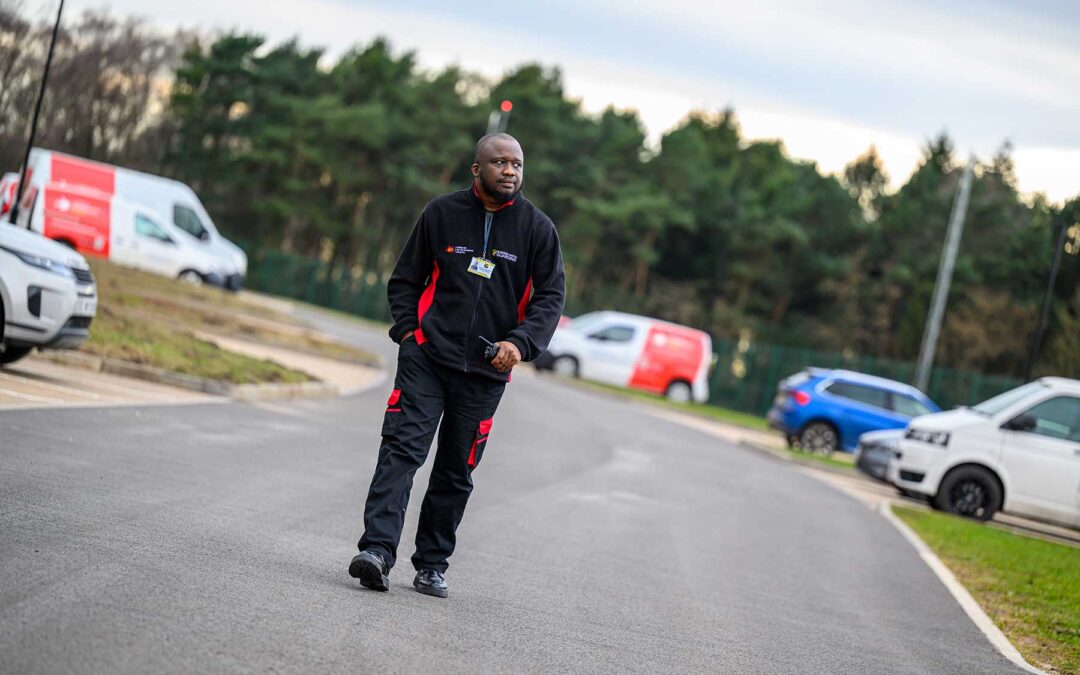
What Really Happens During a Mobile Patrol?
Mobile patrols are one of the most effective ways to protect your site – yet for many businesses, what actually happens during a patrol can feel like a bit of a mystery. It’s easy to imagine a quick driveby, a glance at the building, and nothing more.
In reality, a professional mobile patrol is a structured, riskled process carried out by trained officers who know exactly what to look for, when to act, and how to keep your people and premises safe.
Here’s what a Business Watch Guarding patrol really looks like, from the moment an officer prepares to attend your site to the moment they leave it secure.
1. Before Arrival: Understanding Your Site
Every patrol starts long before our officer reaches your premises. They’ll review the details of your site – access points, any previous incidents, areas that need extra attention, and any temporary risks such as contractors working late or equipment left outside. This preparation ensures the officer arrives with a good understanding of your site and the areas that need the most focus.
2. A Visible, Reassuring Arrival
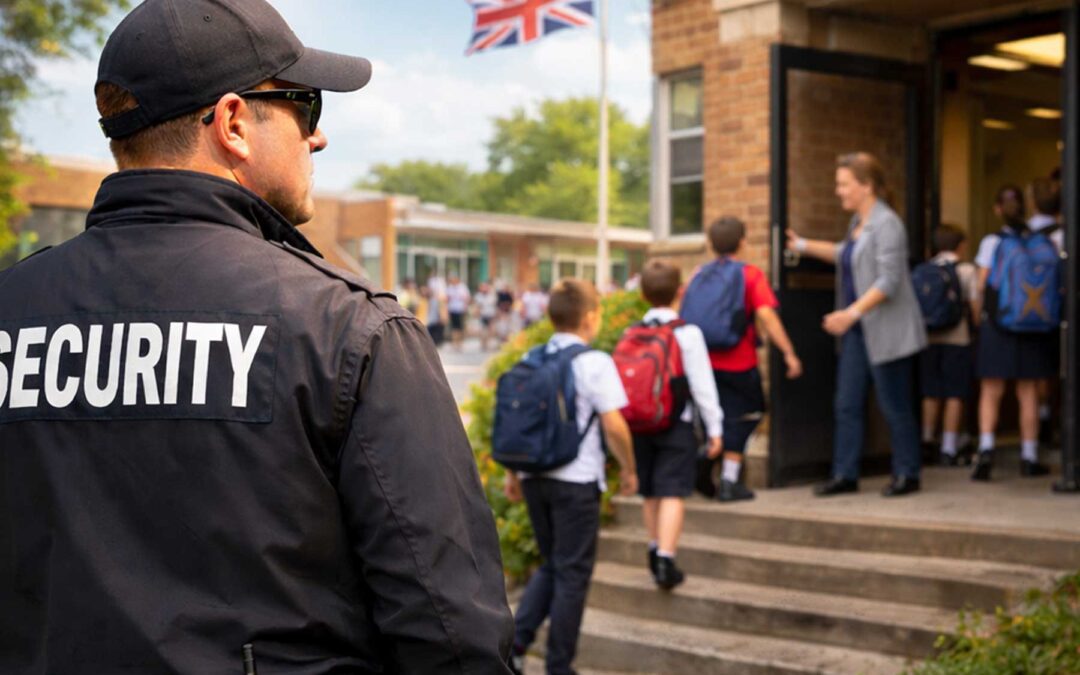
As the patrol vehicle arrives, its visibility is part of the protection. A uniformed officer and marked vehicle signal that the site is actively monitored, offering reassurance to staff – and discouraging anyone who may be looking for an opportunity.
3. Walking the Perimeter
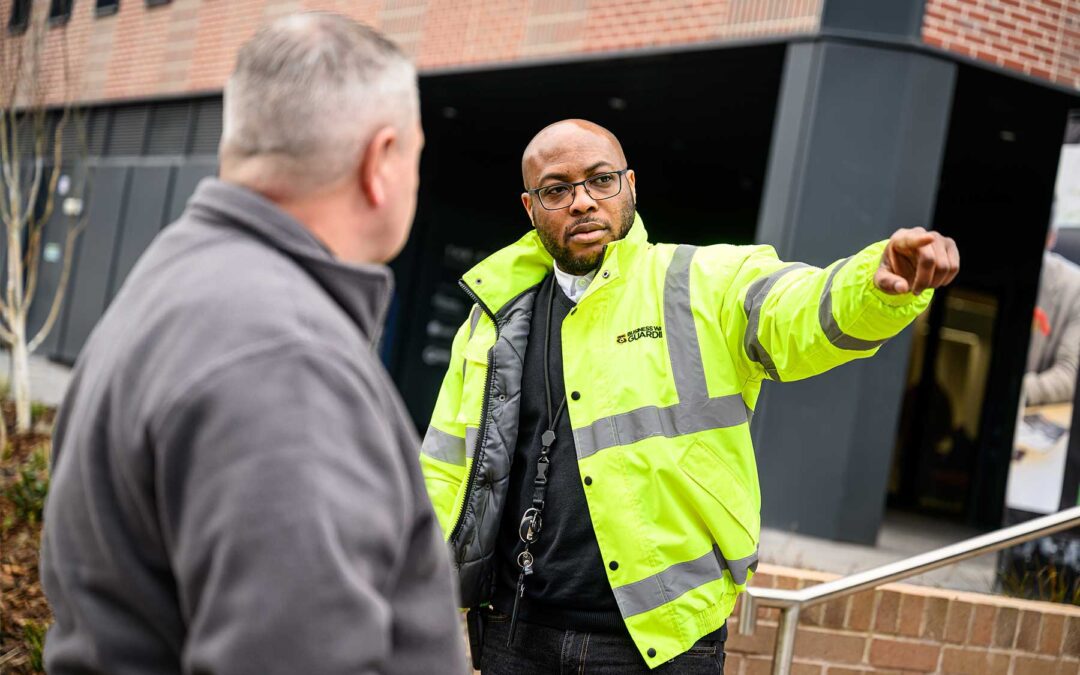
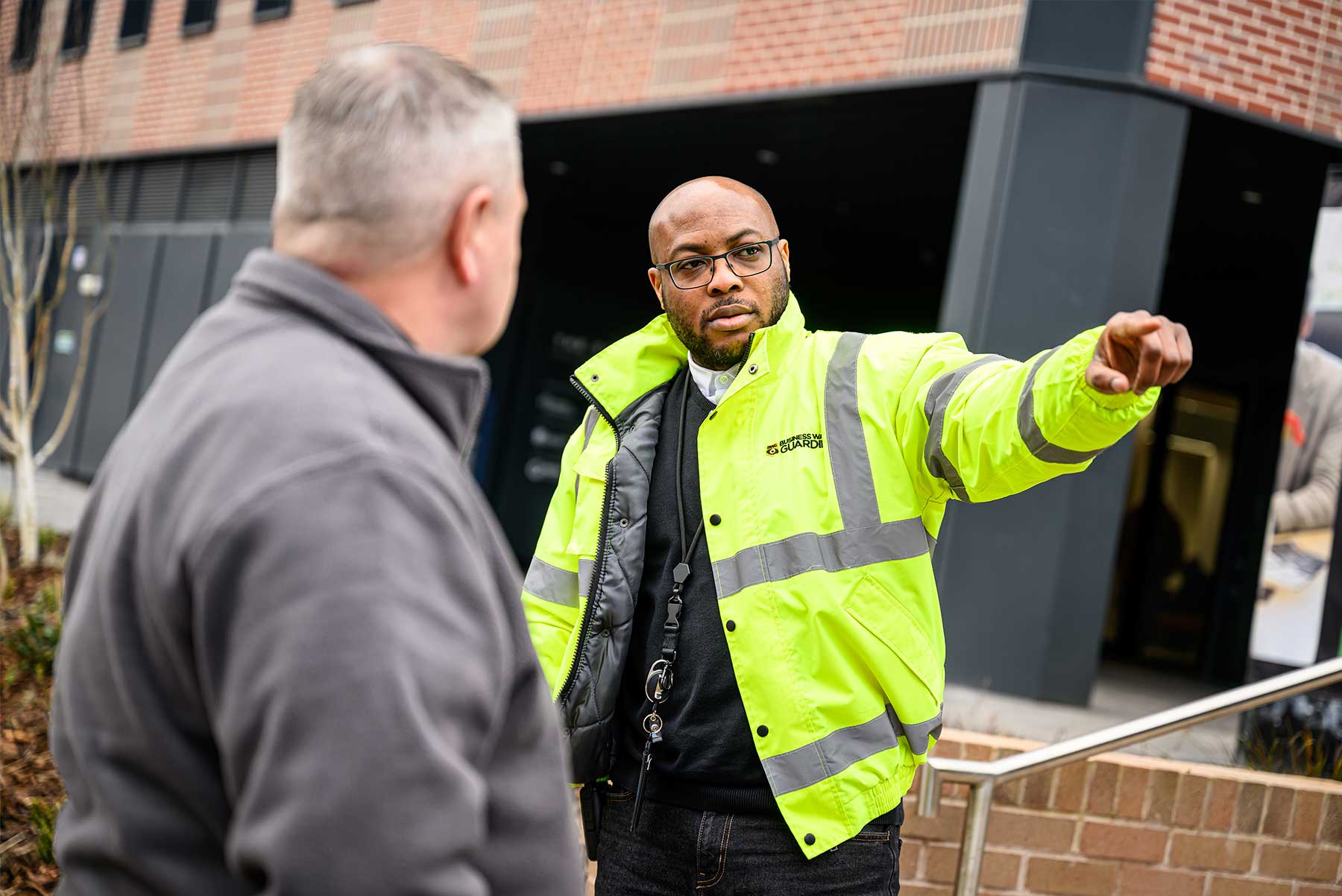
Once on foot, our officers will undertake a systematic walkround of the outside of your premises. They’ll check doors and windows, look for signs of forced entry or damage, and pay attention to anything that feels out of place – an unfamiliar vehicle, a light left on, or a gate that shouldn’t be open. They’re also looking for environmental issues that could cause disruption – leaks, flooding, power failures, or anything that could escalate if left unnoticed.
4. Stepping Inside
If your service includes internal checks, our officers will move through key areas of the building. They’ll check alarms and lighting, make sure no staff remain on site unexpectedly, and look for hazards such as spills, obstructions, or unsafe machinery. For busy sites particularly – for example, manufacturing, retail, or multiunit buildings – these internal checks often prevent the kind of issues that cause costly downtime the next day.
5. Recording What They See
Throughout the patrol, our officers will document what they find – timestamped notes, photos, actions taken, and anything that needs following up. This creates a clear audit trail – something insurers increasingly expect and something businesses rely on for peace of mind.
6. Acting Fast When Something’s Wrong
If one of our officers spots a problem, they don’t wait for instructions. They act. That might mean securing a door, isolating a hazard, contacting your designated keyholder, escalating to emergency services, or staying on site until the issue is resolved. Their local knowledge – the roads, the area, the common risks – means they can make quick, confident decisions when it matters.
7. Open and Lock Support
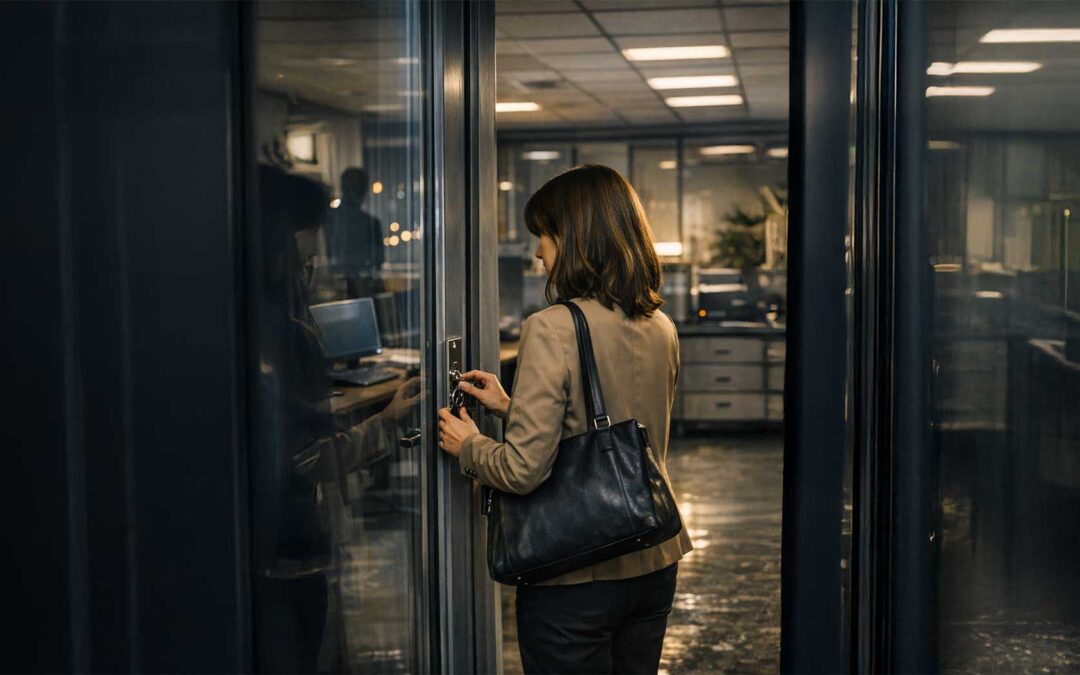
Many businesses combine mobile patrols with open and lock services. This removes pressure from staff and ensures the building is secured properly, alarms are set, and no one is left inside. It’s one of the simplest ways to reduce risk at the most vulnerable times of day.
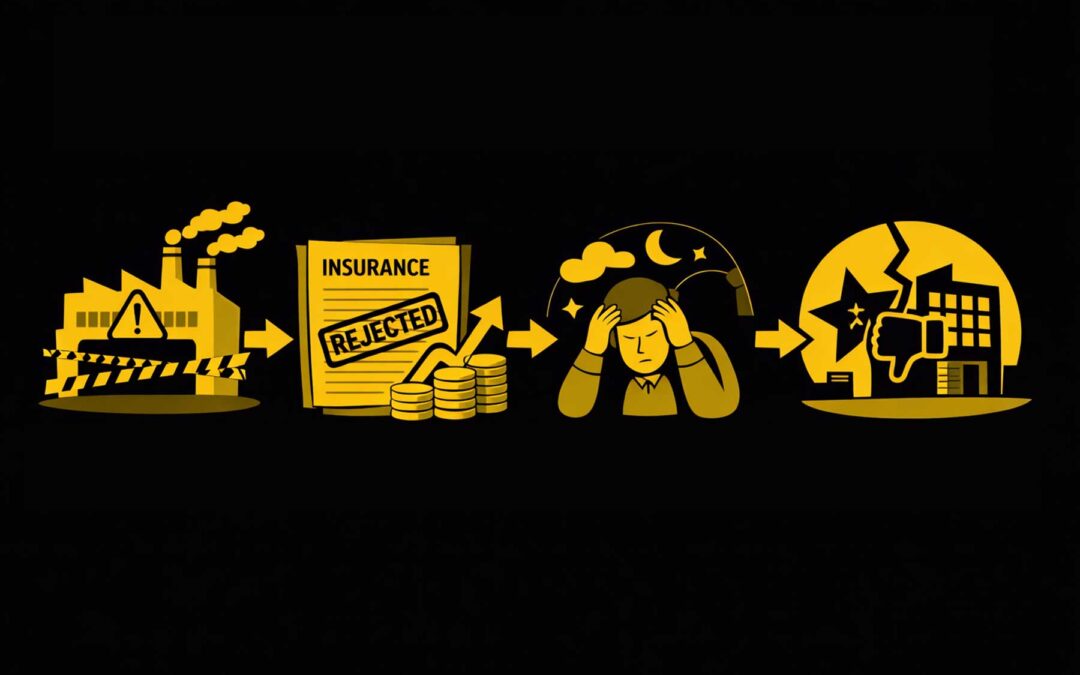
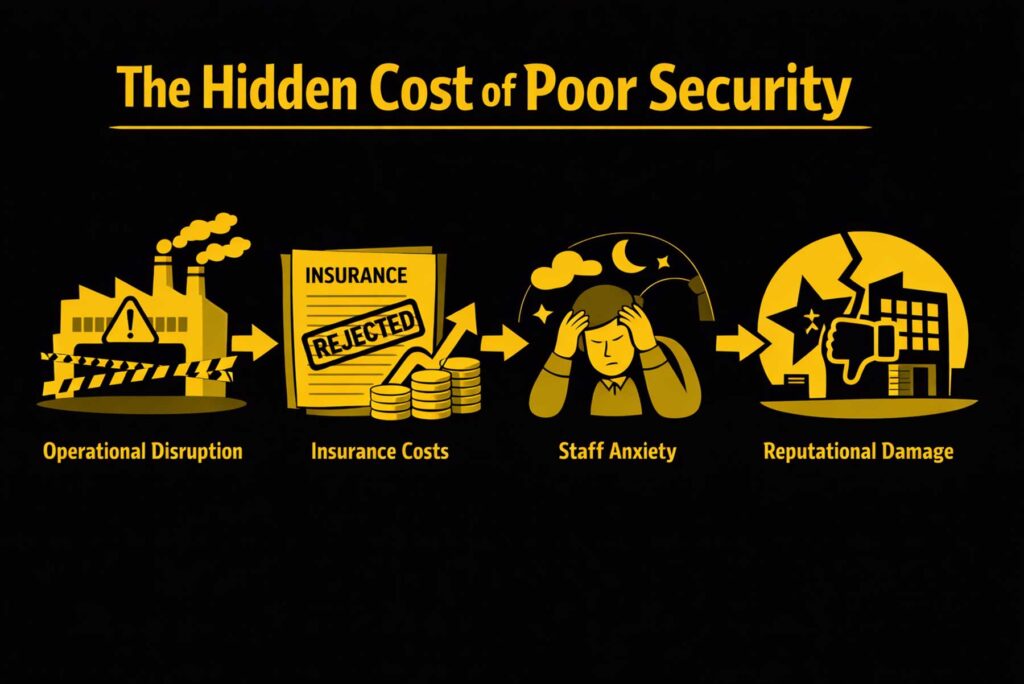
Mobile patrols offer something CCTV and alarms alone can’t – trained eyes, professional judgement, and a visible presence that actively deters risk. They help prevent breakins, vandalism, environmental damage, operational disruption, staff anxiety, and insurance complications.
And because patrols can be randomised, scheduled, or combined with other services, they offer flexible, costeffective protection for businesses of all sizes.
Our mobile patrols are delivered by professionally trained, fully vetted, SIAlicensed officers who know Shropshire and understand the risks local businesses face. They know your environment – and they know how to keep it safe. If you’d like to explore how mobile patrols could strengthen your current security setup, our team is here to help.


Recent Comments