In-House Security Team or Outsourced Provider?

In-House Security Team or Outsourced Provider?

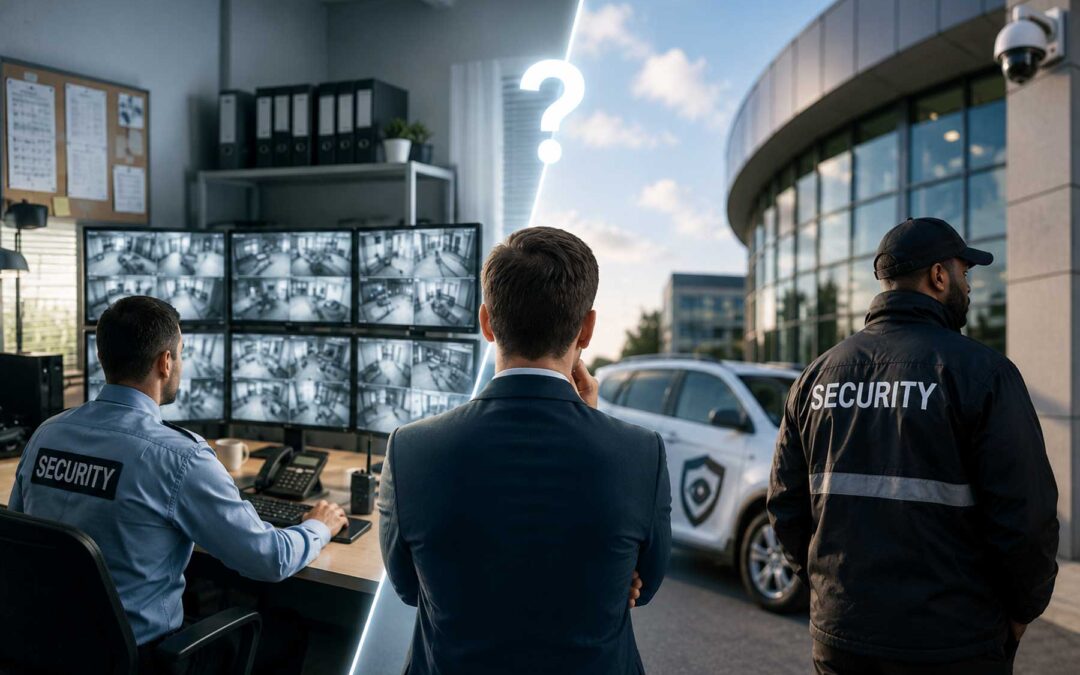
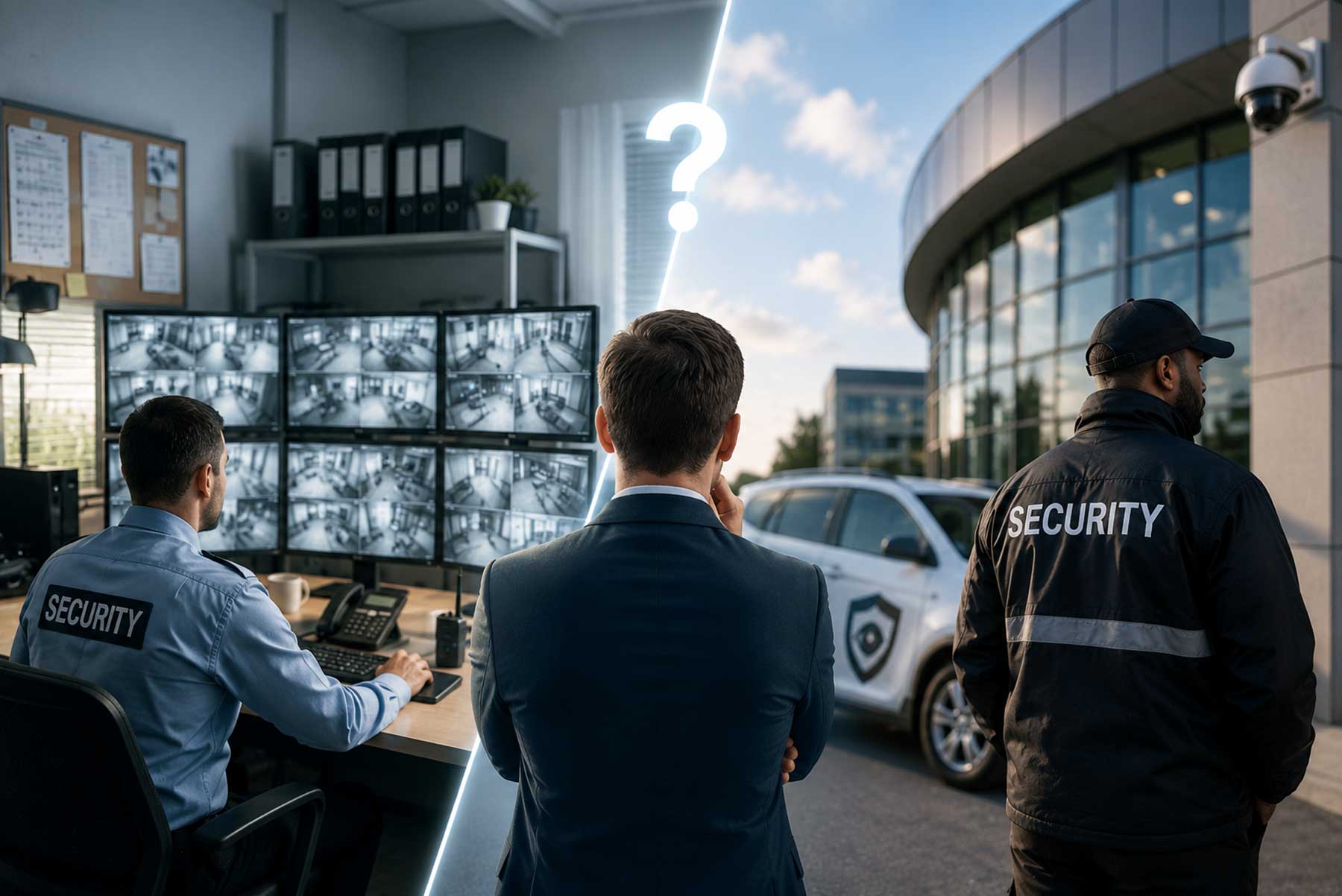
It’s one of the most common questions we’re asked by businesses reviewing their security provision – should we build our own in-house team, or bring in a specialist provider?

On the surface, an in-house team can feel like the more controlled option. But once you look past the headline salary figure, the real cost – and the real risk – picture looks very different.

The Cost of In-House Security Isn’t Just Wages

A single security officer’s salary is only the starting point. Running a genuinely effective in-house team means factoring in:

  • SIA licencing and renewal costs
  • Recruitment, vetting, and DBS checks
  • Ongoing training and continued professional development
  • Uniforms, equipment, and vehicles
  • Cover for holidays, sickness, and unplanned absence
  • Management time spent on rotas, HR issues, and performance

Add these together and the true cost of an in-house officer is often significantly higher than the salary alone suggests – and that’s before a single incident has happened.

The Gap In Cover Nobody Budgets For

What happens when your in-house security officer is off sick, on annual leave, or leaves the business altogether? For many organisations, the honest answer is – the site simply goes uncovered, or someone unqualified is asked to step in.

An outsourced provider removes that gap entirely. Cover is built into the service – so your site is protected every hour it needs to be, not just when your own team happens to be available.

Accreditation and Accountability

A reputable outsourced provider operates under recognised industry standards – SIA Approved Contractor Status and NSI Gold among them – covering vetting, training, safeguarding, and incident reporting as standard.

Replicating that level of governance in-house takes time, expertise, and ongoing investment that many businesses simply don’t have the resources to maintain.

Where In-House Can Make Sense

Outsourcing isn’t right for every business. Organisations with very large, single sites and the budget for a dedicated, permanent security function can sometimes justify building their own team.

Even then though, many businesses find a blended approach works best – a small in-house presence supported by an outsourced provider for cover, mobile patrols, or out-of-hours response.

The Real Question to Ask

It isn’t simply ‘which option costs less?’ It’s ‘which option gives us reliable, accountable, properly trained protection – without gaps, without surprises, and without us having to become security experts ourselves?’

For most businesses, an outsourced provider delivers that more consistently, more flexibly, and at a more predictable cost than building the equivalent capability in-house.

If you’re weighing up in-house versus outsourced security – or want an honest, no-obligation review of what your current setup is really costing you – our team is here to help.
In-house or out-sourced security?

Security Is a Specialist Service. So Why Don’t We Treat It Like One?

Security Is a Specialist Service. So Why Don’t We Treat It Like One?

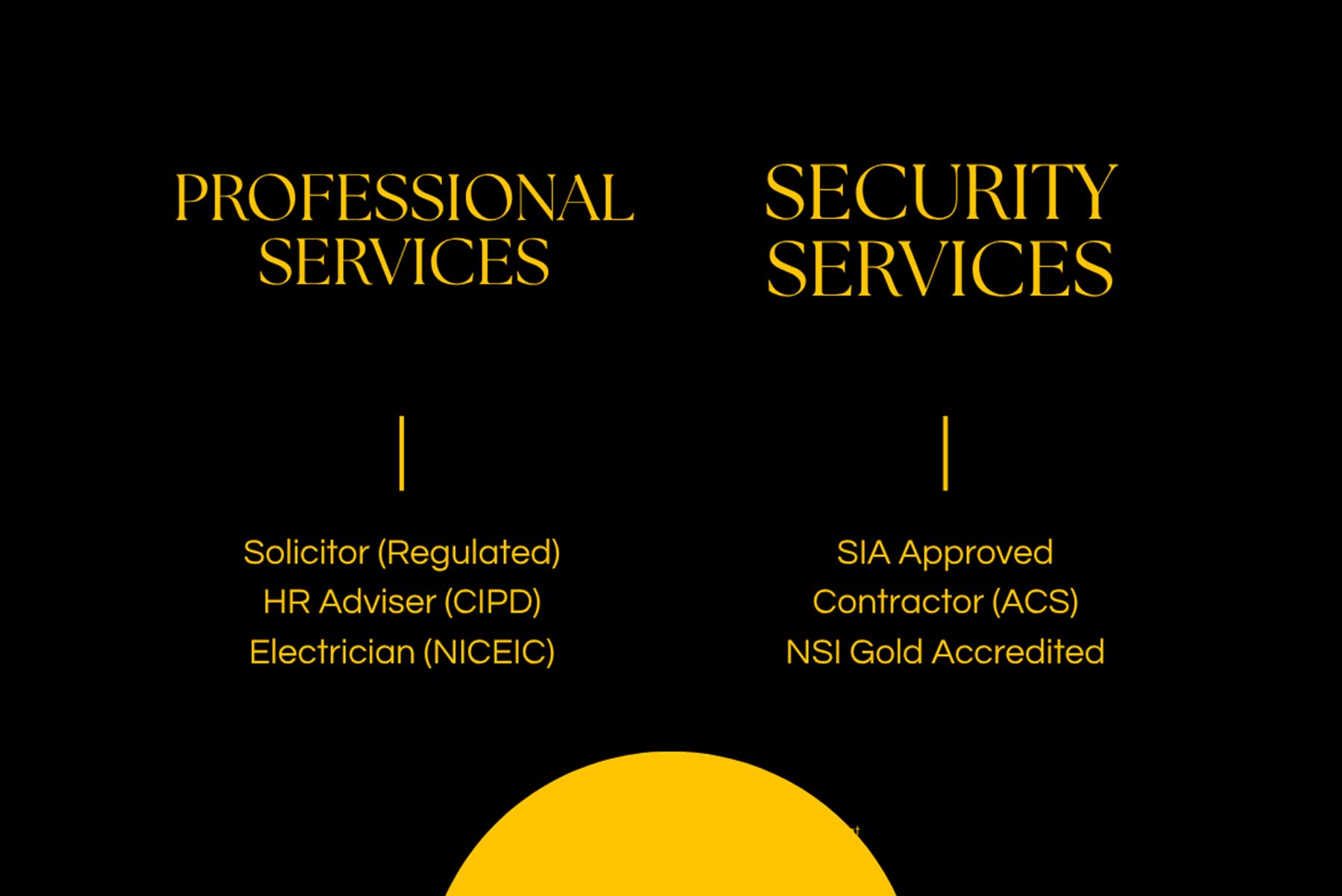
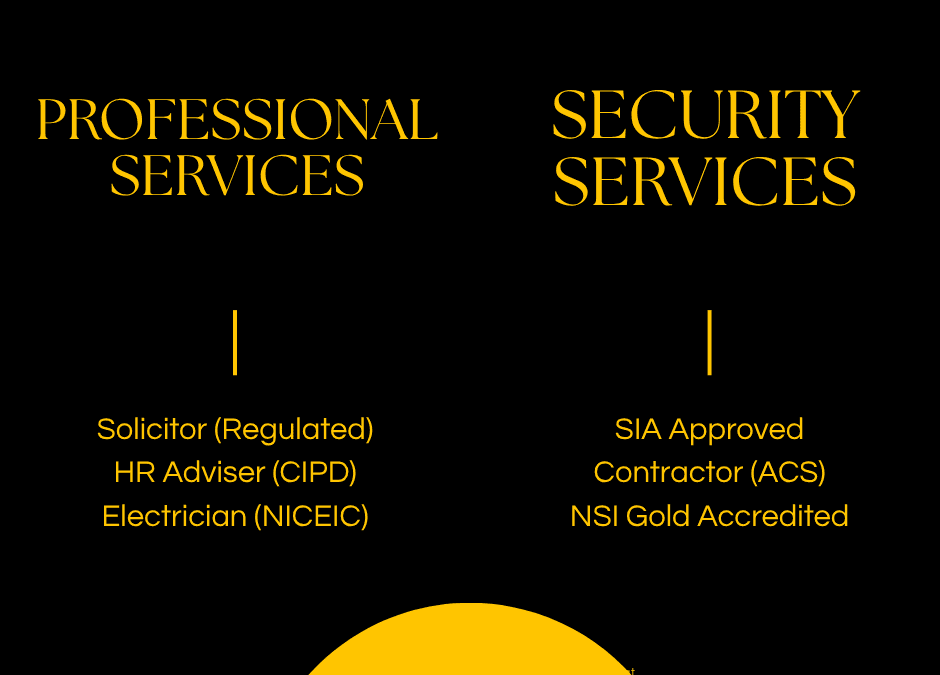
When you appoint a specialist contractor, you check their credentials without thinking twice. If you hire a solicitor, you expect them to be regulated. If you bring in an HR adviser, you look for CIPD membership. If you need an electrician, you check they’re NICEIC or NAPIT certified.

So why is security so often treated differently?

Security officers protect your people, your premises, and your reputation – yet many businesses appoint providers without ever checking whether they’re accredited, audited, or held to any recognised standard.


A Professional Service – Not Just a Uniform

Security isn’t simply about having someone on site. It’s a regulated industry with strict expectations around training, vetting, safeguarding, and operational standards.

Just like legal, HR, or electrical work, security requires:

  • Formal qualifications
  • Ongoing professional development
  • Compliance with national standards
  • Clear evidence of competence

When those things aren’t in place, the consequences aren’t just inconvenient – they can put your business at risk.


What Proper Accreditation Actually Means

Two accreditations matter most in UK security:

  • SIA Approved Contractor Status (ACS)
  • NSI Gold

These aren’t badges for badges sake. They’re independent assessments of how a security company operates – covering everything from staff vetting and training to incident reporting, management processes, and safeguarding.

SIA Approved Contractor Status and NSI Gold accreditation exist for good reason – they set the standard for training, compliance, and quality of service. If a provider can’t demonstrate these credentials, it’s worth asking why – and what corners might be being cut behind the scenes.


You Wouldn’t Accept ‘Unqualified’ in Any Other Area of Your Business

Imagine appointing:

  • A solicitor who isn’t regulated
  • An HR consultant with no professional training
  • An electrician who can’t prove their competence
  • A contractor who isn’t insured

You wouldn’t. Because the risk is too high.

Security should be held to the same standard – if not a higher one. Security officers are often the first to respond to incidents, the people who manage access to your building, and the individuals responsible for safeguarding staff, visitors, and contractors. If they’re not properly trained or accredited, your organisation is exposed.

If you’re unsure whether your current provider meets the right standards, there are a few key questions you could be asking them:

  • Are you an SIA Approved Contractor?
  • Do you hold NSI Gold accreditation?
  • How do you vet and train your officers?
  • What safeguarding processes do you follow?
  • How do you document incidents, access control, and daily activity?
  • When was your last independent audit?

Security Is Too Important to Leave to Chance

Just like legal advice, HR support, or electrical work, security is a specialist discipline. It deserves the same scrutiny, the same professionalism, and the same expectation of accredited standards.

We’re proud to hold both SIA Approved Contractor Status and NSI Gold, and to have spent more than three decades protecting businesses across Shropshire.

If you’d like a no-obligation review of your current security provision – or simply want to understand what accredited security should look like – our team is here to help.

Accredited Security Checks

Could Someone Walk into Your Building Right Now?

Could Someone Walk into Your Building Right Now?

Most businesses believe their security is working. Access controls are in place. CCTV is installed. Procedures are documented. But how many have actually tested whether those measures hold up when someone really tries to get through them?

That’s exactly what penetration testing is designed to find out.

What is Physical Penetration Testing?

Physical penetration testing – or ‘pen testing’ – is a structured, controlled exercise in which trained security professionals attempt to bypass the physical security measures at your premises. The objective isn’t to cause disruption. It’s to identify vulnerabilities before someone with less professional intentions finds them first.

It’s a test of your systems, your processes, and the procedures your team relies on – carried out with your knowledge, documented at every stage, and followed by a detailed report of findings.

We Can Test Your Security – Even If We Already Provide It

We offer physical penetration testing to businesses across Shropshire and the wider region – including to clients we currently look after.

That might seem counterintuitive, but it’s one of the most valuable aspects of the service. Our officers understand how professional security operates. They know the tactics, the access points, the habits, and the gaps that trained security personnel are often conditioned to overlook. If we can get in, so can someone else.

A pen test isn’t about finding fault – it’s about finding gaps. Even the most robust security provision can have vulnerabilities that only become visible when someone actively looks for them.

What a Pen Test Actually Involves

Our team will attempt to access your premises using a range of methods – tailgating, testing unmanned entry points, checking whether CCTV is actively monitored or simply recording. We’ll assess how far we can get into your facility before being challenged, and what we can access once inside.

Throughout the exercise, we map our route. Every access point tested, every area entered, every gap identified is documented.

At the conclusion of the test, you receive a full written report: a clear record of how far we were able to penetrate your site, what enabled us to do so, and what needs to change.

Who Should Consider Penetration Testing?

Physical penetration testing is relevant to any organisation where unauthorised access could result in harm to people, loss of assets, or disruption to operations. This includes:

  • Schools, colleges, and universities
  • Healthcare and care settings
  • Industrial and manufacturing sites
  • Multi-occupancy commercial premises
  • Retail and logistics operations
  • Any organisation that holds sensitive data, assets, or people on site

If you haven’t tested your physical security in the last 12 months, there’s a reasonable chance it has vulnerabilities you’re not aware of.

Our team is here to help you find them before anyone else does. To find out more about physical penetration testing, or to arrange an initial conversation about your site, please get in touch.

Penetration testing office security

Five Signs Your Business Security Isn‘t As Tight As You Think

Five Signs Your Business Security Isn‘t As Tight As You Think

Most business owners believe their premises are secure. Alarm set, doors locked, cameras in place – job done. But security gaps rarely announce themselves. More often, they’re the quiet vulnerabilities that go unnoticed until something goes wrong.

Here are five warning signs that your security provision may not be as robust as you think.

1. You’re relying solely on technology

CCTV and intruder alarms are valuable tools, but they’re only effective when someone is acting on them. If your alarm triggers out of hours and there’s no trained professional ready to respond, you’re left relying on neighbours, automated calls, or a tired member of staff making a lone journey to site. Technology is great, but it needs people behind it to be truly effective.

2. No one is monitoring your access points

Who enters and exits your premises – and when? If you can’t answer that question with confidence, you may need to give your access management some attention. Uncontrolled entry points are one of the most common and exploitable weaknesses in business security, particularly for industrial and multi-occupancy sites.

3. Your opening and closing routine relies on one person

The start and end of the working day are peak vulnerability windows. If a lone employee is regularly first in or last out, they’re exposed – and so is your business. A professional open and lock service removes that risk entirely, ensuring your premises are secured by trained officers every single day.

4. Your security provider isn’t accredited

Not all security companies are equal. SIA Approved Contractor Status and NSI Gold accreditation exist for good reason – they set the standard for training, compliance, and quality of service. If your current provider can’t evidence these credentials, it’s worth asking why.

5. You haven’t reviewed your security provision recently

Business premises change. Staff numbers shift. New entry points are added. If your security setup hasn’t been reviewed in the last 12 months, there’s a strong chance it no longer reflects the actual needs of your site.

Security isn’t something to set and forget. A regular review with a trusted, accredited provider can identify vulnerabilities before they become incidents.

We’re proud to have been protecting businesses across Shropshire for the past three decades. If you’d like a no-obligation security review, do get in touch with our team today.

Five Signs Your Business Security Isn't As Tight As You Think

The Real Role of Concierge & Reception Security

The Real Role of Concierge & Reception Security

Concierge and reception officers are often seen as the people who greet visitors, answer questions, and keep a business’s front desk running smoothly. And while they do all of these things, their role is so much bigger.

In reality, a professional concierge or reception security officer is a trained, SIAlicenced individual who has customer service skills as well as risk awareness, access control, and incident prevention expertise. They’re the first point of contact for anyone entering your building, and often the first person to spot when something isn’t quite right.

In this blog, we share an overview of what happens when a Business Watch Guarding concierge or reception officer is on duty.

1. Site Preparation

Before every shift, our officers review:

  • Access requirements for staff, visitors, and any contractors
  • Known risks such as previous incidents or ongoing maintenance
  • Emergency procedures specific to the building

This ensures that our officers start the day with a clear understanding of who should be on site, what to expect, and where extra vigilance may be needed.

2. A Professional, Visible Presence

The uniform, confidence, and calm presence of our officers provide reassurance to staff and visitors as they enter the building – and also act as a deterrent to anyone who may be looking for an opportunity.

They’re trained to:

  • Greet visitors professionally
  • Assess individuals’ behaviour
  • Identify anything that feels ‘unusual’
  • Maintain control of the reception environment

This balance of friendliness and authority keeps our customers’ sites both welcoming and secure.

3. Managing Access

Access control is one of the most important parts of any reception officer’s role. Our officers ensure that:

  • Only authorised personnel can enter the building
  • All visitors are signed in and accounted for
  • Contractors follow the correct procedures
  • Deliveries are handled safely and securely

This prevents tailgating, unauthorised access, and confusion at busy times – all common causes of security breaches.

4. Monitoring the Environment

Our concierge officer don’t just sit behind a desk all day. They actively monitor the flow of people entering the building, identify any defects or issues that may require maintenance, and any changes that could indicate a risk.

This includes:

  • Watching for suspicious behaviour
  • Checking CCTV footage (where required)
  • Reporting hazards such as spills, damage, or obstructions
  • Noticing environmental issues like leaks or power failures

Just like mobile patrols, this early detection prevents small issues becoming major disruptions.

5. Quick Response

If an issue arises, concierge officers can act immediately. Depending on the situation, that could mean:

  • Challenging an unauthorised visitor
  • Escalating any concerns to the management team
  • Contacting emergency services
  • Supporting an evacuation
  • Securing an area until help arrives

Their training – and their local knowledge of Shropshire sites and risks – means they can make fast, confident decisions when it matters.

6. Supporting Staff and Visitors Throughout the Day

Concierge and reception officers often become the goto people for:

  • Directions and visitor support
  • Contractor coordination
  • Room bookings and signins
  • Handling deliveries
  • Managing busy periods

This mix of operational support and security awareness keeps the building running smoothly.

7. Creating a Clear Audit Trail

Just like mobile patrol officers, concierge and reception teams document what they see and do. That includes:

  • Visitor logs
  • Incident reports
  • Notes on unusual activity
  • Actions taken during their shift

This provides transparency, supports compliance, and gives businesses the reassurance that their frontofhouse is being managed professionally.

Essentially, concierge and reception officers are more than a friendly face. They’re a critical part of a layered security approach – one that combines customer service with risk prevention, access control, and rapid response.
When paired with mobile patrols, keyholding, or onsite guarding, they help create a safer, more controlled environment for staff, visitors, and contractors.

If you’d like to explore how frontofhouse security could strengthen your building’s protection, our team is here to help.

The Real Role of Concierge & Reception Security

What Really Happens During a Mobile Patrol?

What Really Happens During a Mobile Patrol?

Mobile patrols are one of the most effective ways to protect your site – yet for many businesses, what actually happens during a patrol can feel like a bit of a mystery. It’s easy to imagine a quick driveby, a glance at the building, and nothing more.

In reality, a professional mobile patrol is a structured, riskled process carried out by trained officers who know exactly what to look for, when to act, and how to keep your people and premises safe.

Here’s what a Business Watch Guarding patrol really looks like, from the moment an officer prepares to attend your site to the moment they leave it secure.

1. Before Arrival: Understanding Your Site

Every patrol starts long before our officer reaches your premises. They’ll review the details of your site – access points, any previous incidents, areas that need extra attention, and any temporary risks such as contractors working late or equipment left outside. This preparation ensures the officer arrives with a good understanding of your site and the areas that need the most focus.

2. A Visible, Reassuring Arrival

As the patrol vehicle arrives, its visibility is part of the protection. A uniformed officer and marked vehicle signal that the site is actively monitored, offering reassurance to staff – and discouraging anyone who may be looking for an opportunity.

3. Walking the Perimeter

Once on foot, our officers will undertake a systematic walkround of the outside of your premises. They’ll check doors and windows, look for signs of forced entry or damage, and pay attention to anything that feels out of place – an unfamiliar vehicle, a light left on, or a gate that shouldn’t be open. They’re also looking for environmental issues that could cause disruption – leaks, flooding, power failures, or anything that could escalate if left unnoticed.

4. Stepping Inside

If your service includes internal checks, our officers will move through key areas of the building. They’ll check alarms and lighting, make sure no staff remain on site unexpectedly, and look for hazards such as spills, obstructions, or unsafe machinery. For busy sites particularly – for example, manufacturing, retail, or multiunit buildings – these internal checks often prevent the kind of issues that cause costly downtime the next day.

5. Recording What They See

Throughout the patrol, our officers will document what they find – timestamped notes, photos, actions taken, and anything that needs following up. This creates a clear audit trail – something insurers increasingly expect and something businesses rely on for peace of mind.

6. Acting Fast When Something’s Wrong

If one of our officers spots a problem, they don’t wait for instructions. They act. That might mean securing a door, isolating a hazard, contacting your designated keyholder, escalating to emergency services, or staying on site until the issue is resolved. Their local knowledge – the roads, the area, the common risks – means they can make quick, confident decisions when it matters.

7. Open and Lock Support

Many businesses combine mobile patrols with open and lock services. This removes pressure from staff and ensures the building is secured properly, alarms are set, and no one is left inside. It’s one of the simplest ways to reduce risk at the most vulnerable times of day.

Mobile patrols offer something CCTV and alarms alone can’t – trained eyes, professional judgement, and a visible presence that actively deters risk. They help prevent breakins, vandalism, environmental damage, operational disruption, staff anxiety, and insurance complications.
And because patrols can be randomised, scheduled, or combined with other services, they offer flexible, costeffective protection for businesses of all sizes.

Our mobile patrols are delivered by professionally trained, fully vetted, SIAlicensed officers who know Shropshire and understand the risks local businesses face. They know your environment – and they know how to keep it safe. If you’d like to explore how mobile patrols could strengthen your current security setup, our team is here to help.

Real cost of working alone